



JNJ ’23 Las Vegas
A list of Hall of Fame Jockeys will be […]

ABR Motion Comix4
AMERICA’S BEST RACING and the AE SABO STUDIO team […]
ABR Motion Comix3
AMERICA’S BEST RACING and the AE SABO STUDIO team […]
ABR Motion Comix2
AMERICA’S BEST RACING and the AE SABO STUDIO team […]
ABR Motion Comix
AMERICA’S BEST RACING and the AE SABO STUDIO team […]

Jocks N Jeans N Vegas, baby!
The annual fundraiser of Jockeys and Jeans for the […]

ABR Cartoons ’23
The AE SABO STUDIO and America’s Best Racing team […]
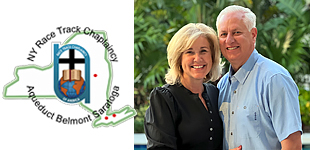
RTCA NY Brunch ’23
The 2023 annual brunch, held each August at the […]

Frankie Dettori Cartoons
Starting 2023, A.E. Sabo will contribute Frankie Dettori editorial […]

Living a Fall Life!
UPDATE, SEPTEMBER 19th: WE HAVE LAUNCH!Explore and enjoy our […]

New at Past The Wire
It is with great pleasure that I announce my […]

Jockeys N Jeans ’22
The fundraiser “Jockeys and Jeans” was developed by retired […]

Belmont Cheat Sheet
Want a little head start quick reference for The Belmont […]
Fall Living Magazine
Pumpkin-spiced lovers rejoice, a new platform arrives late August […]
Equine Dynamics
With 30+ years experience as a professional farrier, Mike […]

PTW gets its ‘Preak On’
Turf writer Kathryn R Wilt and OFF THE PACE […]

Past The Wire
Turf writer Kathryn R Wilt and AE Sabo team […]
Pet Church
Historic First Presbyterian Church of Dunedin, the oldest Presbyterian […]
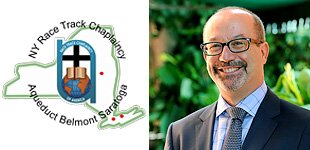
RTCANY honors Andy Serling
The New York Race Track Chaplaincy will host its […]

2022 Review
My clientele and my experience as both designer and […]

NCS Member IGS
The National Cartoonists Society has changed their website URL […]
CTA Fundraiser
California Chrome’s Legacy of Love raises money in the […]

Zaldívars
A new website featuring the finest in gift merchandise […]
Tales of Jovita
Humorist and up and coming improv talent, Jovita, entertains […]

OTP Webstrip
TEAM DIVA is now in webcomic format! The Queen […]

PDJF Events
The 2021 Jockeys and Jeans for the PDJF will […]
Southern Fried Fun
Turf writer Kathryn R Wilt translates her comedic wit […]
AES joins JFS
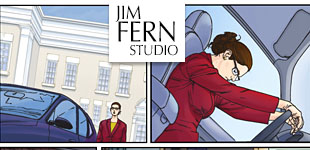
Joining veteran comic book talent JIM FERN to assist […]

UHUS Graphic Novel
Untold History of the United States topped the NYT […]

Cartoons & ABR
The AE Sabo Studio teams up with America’s Best […]

Luxury Estates
Currently handling graphic duties for one of the premier […]

Off The Pace
Team Diva fans rejoice! The Queen of Underachievers holds […]

The AE Sabo Studio
With 10+ years working with US horse racing markets, […]

Jockeys & Jeans
The annual Jockeys and Jeans for the PDJF has […]

AE Sabo Design
AE Sabo Design is now open full time and […]
~ Additional websites for artist A.E. Sabo ~


